 : For Students, Faculty, and Staff

Written by Amelia Palacios, Communications Specialist, Mapping Prejudice
Earlier this month Mapping Prejudice joined over a hundred community members who packed a Minneapolis Planning Commission hearing, which was considering a proposal to rename Edmund Boulevard. The team was there to support a 5-year community campaign to strip the street of a name tied to racial covenants.
The commission unanimously approved the proposal, which will re-christen the street Lena Smith Boulevard. This honors Minnesota’s first Black woman attorney and housing rights activist, Lena Olive Smith.
“Changing the name is not about erasing history, it’s about choosing to tell a better story. A story that includes all of us.” -Minneapolis resident
This tree-lined street runs through the Longfellow neighborhood along the west side of the Mississippi River. It is currently named after Edmund G. Walton, a real estate developer who, in 1910, introduced Minnesota’s first racially restrictive housing covenants. This connection was unearthed by Mapping Prejudice’s co-founder Penny Petersen, who documented that Walton, after blanketing the Longfellow neighborhood in racial covenants, named this street after himself.
The August 4th hearing was a culmination of over 5 years of community organizing and engagement efforts led by Reclaiming Edmund Boulevard, a group of residents in the neighborhood. This group formed during the summer of 2020, after Longfellow resident Mark Brandt discovered the story of Edmund Walton and his infamous legacy on Mapping Prejudice’s website.
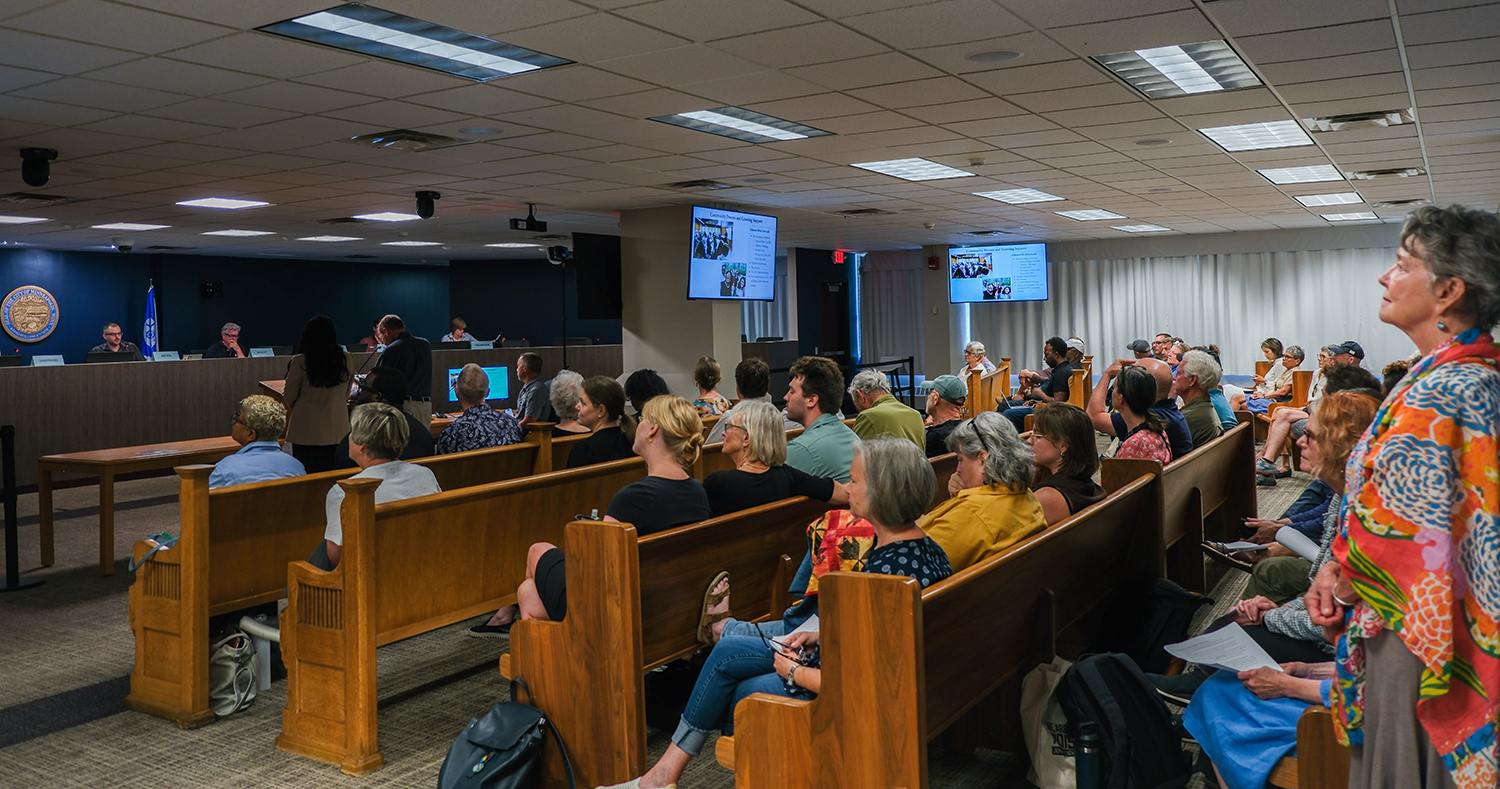
Reclaiming Edmund members and Councilmember Chowdhury presenting the name change proposal to the Minneapolis Planning Commission in a packed hearing room.
Brandt started by asking other neighbors if they knew the connection between the street name and the history of structural racism in Minneapolis. Most did not. This spurred the creation of Reclaiming Edmund Boulevard, which invited neighbors to take action.
Reclaiming Edmund Boulevard has galvanized hundreds of community members to reckon with this history and how it connects to disparities today. The hearing was a testament to this years-long engagement. Councilmember Aurin Chowdhury, who sponsored this name change proposal put it quite plainly: “It’s the right thing to do.”
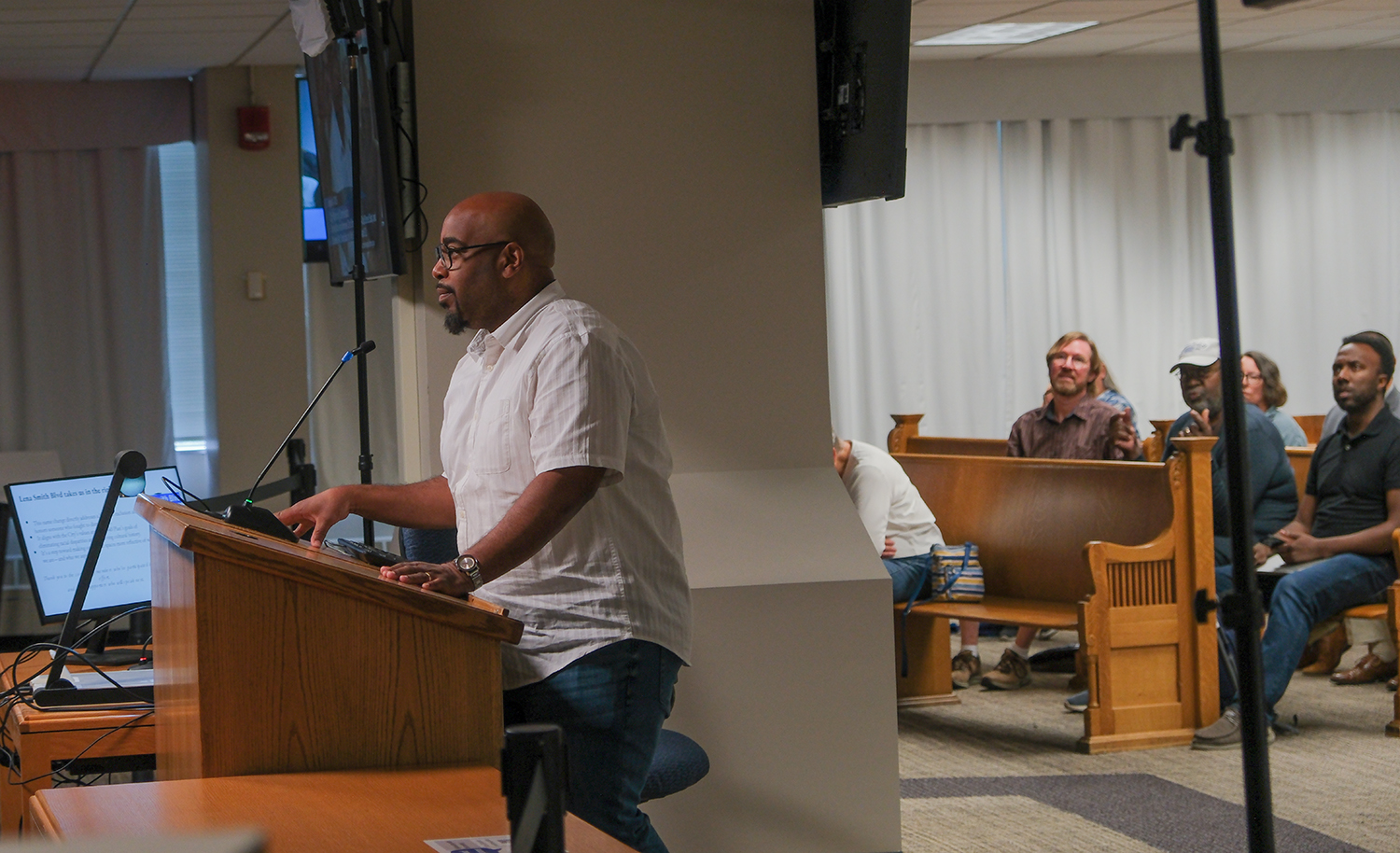
Community member testifying to the Minneapolis Planning Commission in support of the name change proposal.
As Mapping Prejudice Project Director Kirsten Delegard stated, “Edmund Walton will never be my north star for Minneapolis, as he played an outsized role in germinating our contemporary racial disparities.”
Retired Judge LaJune Lange spoke at the hearing, saying “these names and who they represent are known by the community and it’s important that they be changed.”
Residents as young as 14 testified about the importance of this name change: “This is where I live, where I walk home from school, where my neighbors greet each other, and where kids ride their bikes and play basketball. This street is part of my life and I want to be proud of it, not just for how it looks, but also for what it stands for. Changing the name is not about erasing history, it’s about choosing to tell a better story. A story that includes all of us.”
The hearing is a testament to the power of community members making meaning out of Mapping Prejudice’s research, and turning that meaning into action.
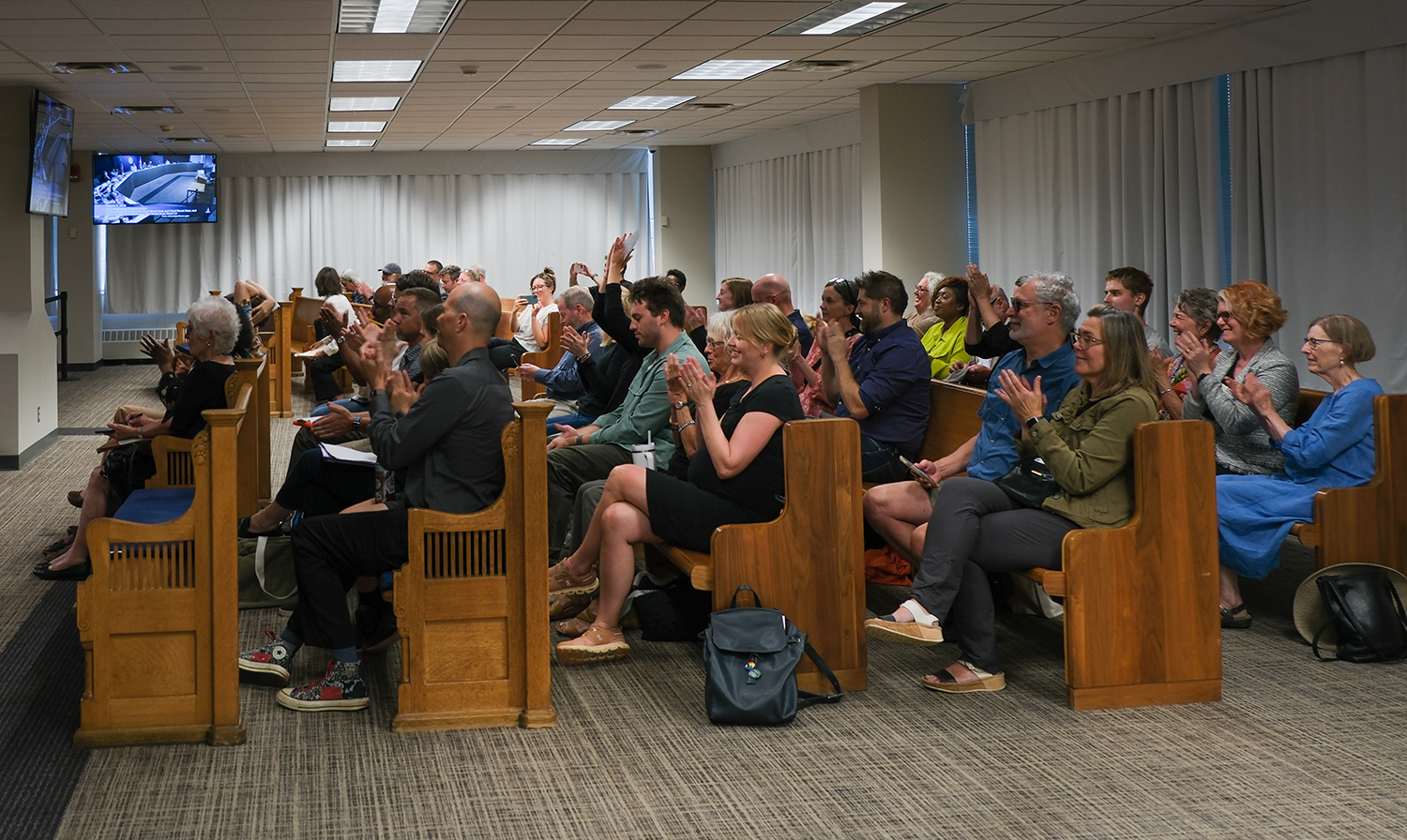
The hearing room erupting in cheers and celebration after the Minneapolis Planning Commission unanimously approved the name change proposal.
Mapping Prejudice
From its base in the University of Minnesota Libraries, Mapping Prejudice’s interdisciplinary team collaborates with community members throughout the country to document and map the history of racially restrictive covenants. Visit the website to explore the interactive map of racial covenants, and learn more about Mapping Prejudice’s work in Minnesota and across the nation.