 : For Students, Faculty, and Staff

The books we read can say a lot about us. The ones we enjoy, the ones we dislike, and especially the ones we recommend. So as 2025 shrinks in the rearview mirror, get to know the University of Minnesota Libraries through the books we read this year.
We have a wide-ranging list, so you’re bound to find something that’ll accommodate your palate. And if there’s a book you end up loving, or one you already like, check who recommended it. You might’ve found a new book club partner.
Grace Lilyerd, Collection and Acquisition Specialist
The Imperial Radch Series by Ann Leckie: “Ancillary Justice” (2013), “Ancillary Sword” (2014), and “Ancillary Mercy” (2015)
What if a ship was destroyed by an internal conspiracy, and its consciousness was left in its remaining ancillary body? How far would it go for vengeance? This series was super-compelling and clearly inspired by Ursula K. LeGuin’s “The Left Hand of Darkness,” which is always a sign of quality.
“A Sorceress Comes to Call” by T. Kingfisher (2024)
Jane Austen meets Grimm’s Fairytales meets horror. No one is naive or foolish in predictable ways, and the sense of looming dread is never overpowering.
-

- “Ancillary Justice” by Ann Leckie
-

- “Ancillary Sword” by Ann Leckie
-
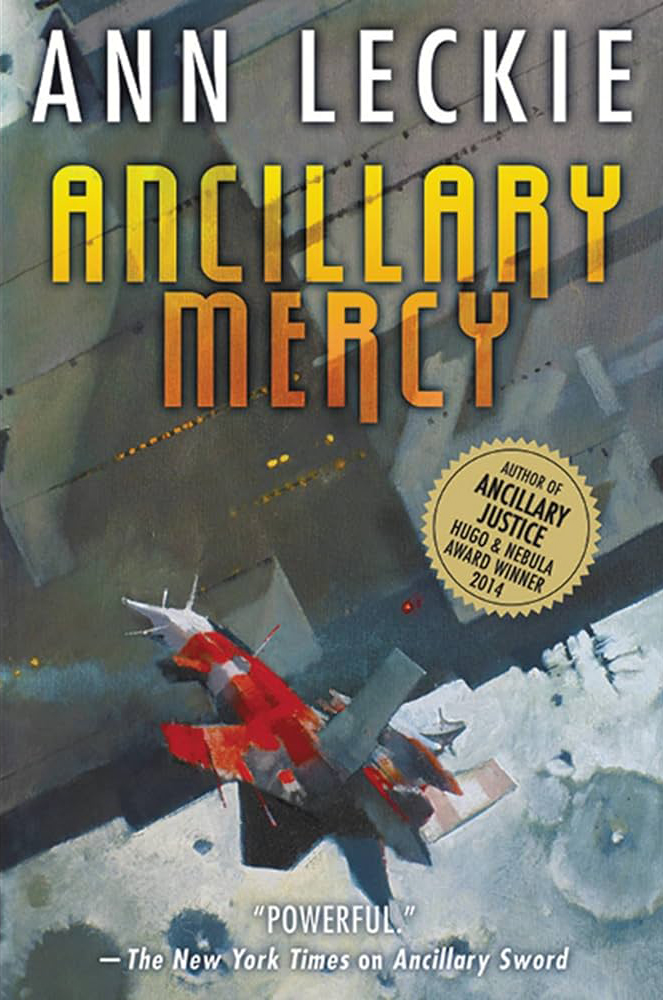
- “Ancillary Mercy” by Ann Leckie
-

- “A Sorceress Comes to Call” by T. Kingfisher.
Krista Palmquist, Music Library Coordinator
“Orbital” by Samantha Harvey (2023)
Harvey’s prose reads like poetry. There was no real plot to the story, and I didn’t mind at all, because the writing was so beautiful.
“Patriot: A Memoir” by Alexei Navalny (2024)
It was eye-opening to understand what Navalny went through and what went through his mind as a politician, family man, and prisoner. It opens with an amazing description of what he perceived when he was poisoned the first time, and survived.
“In Ascension” by Martin Macinnes (2023)
Beautifully written novel about space exploration, family, and what drives us as human individuals.
“Someone Like Us” by Dinah Mengestu (2024)
Ethiopian immigrants in the US who have big secrets. It is interesting to see that a deeply flawed character had good reasons for some of the decisions he made, and that those decisions came from self-preservation and love of family.
“Growth: A History and a Reckoning” by Daniel Susskind (2024)
I don’t know much about economics, so this book, which explains growth and non-growth models, was eye-opening to me. The book was written for lay readers, however, some of it went over my head.
-
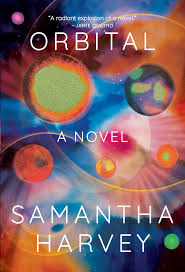
- “Orbital” by Samantha Harvey
-

- “Patriot: A Memoir” by Alexei Navalny
-
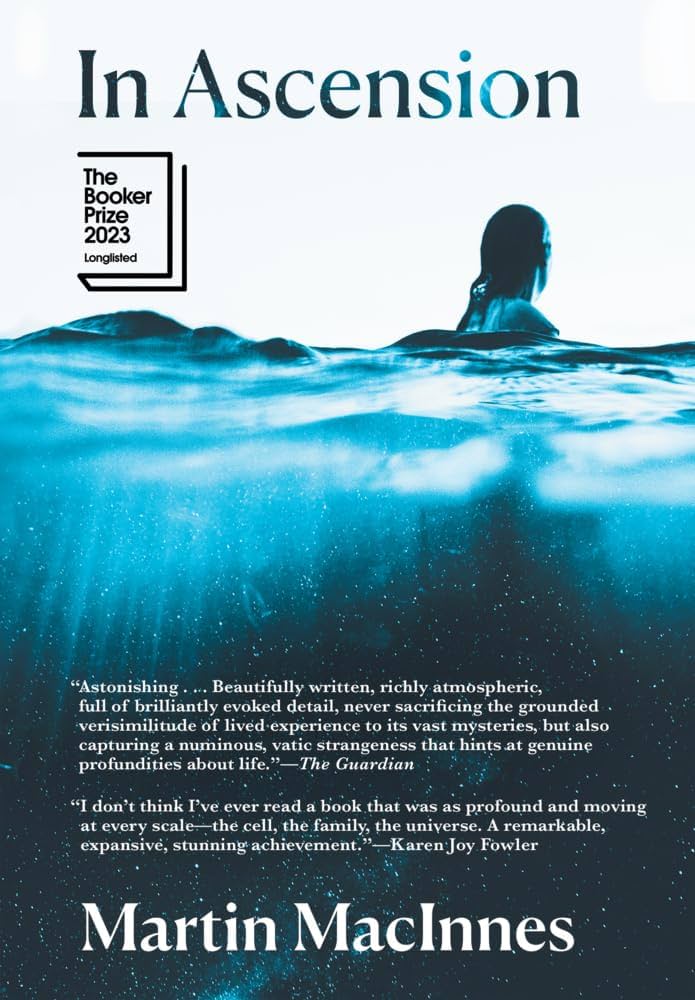
- “In Ascension” by Martin MacInnes
-
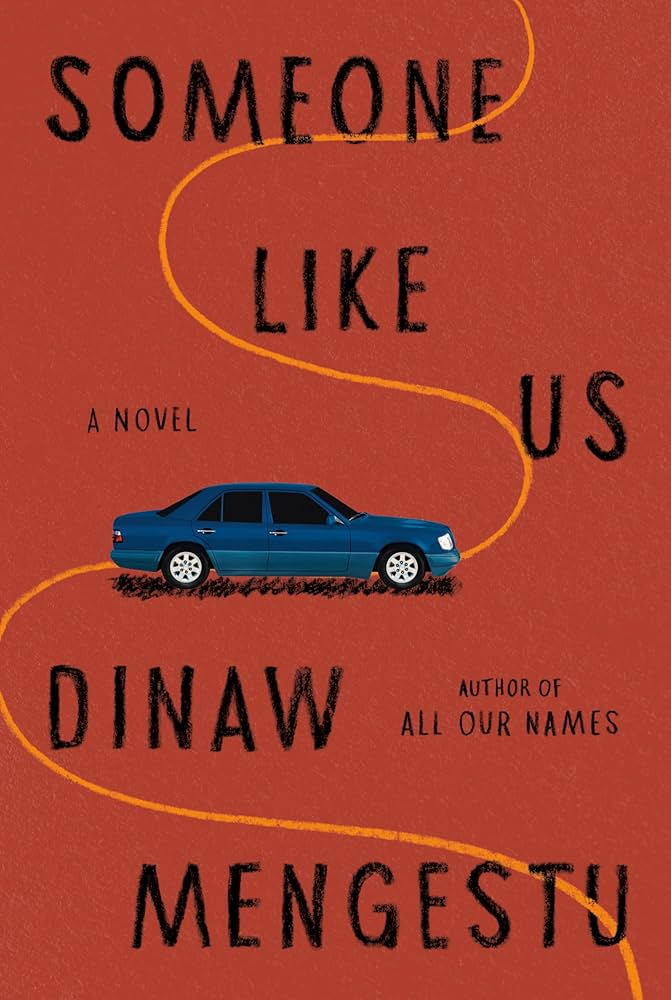
- “Someones Like Us” by Dinaw Mengestu
-
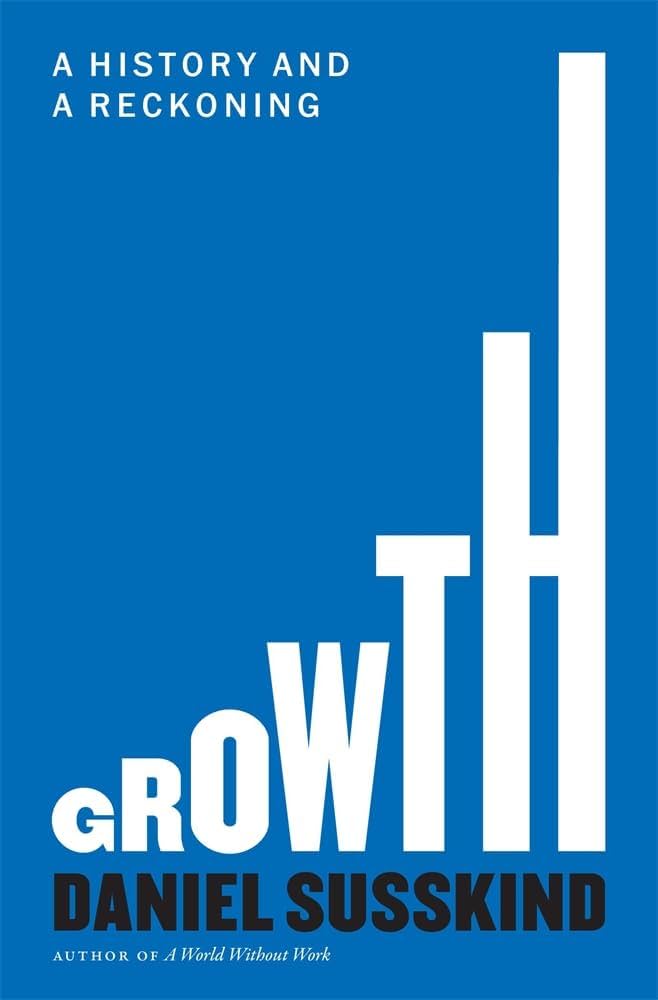
- “Growth: A History and A Reckoning” by Daniel Susskind
Melanie Magidow, Project Specialist, Minitex
“Remarkably Bright Creatures” by Shelby Van Pelt (2022)
I recommend the audiobook! This novel has mystery elements, an octopus character, and multi-generational friends and family. In one book club I joined to discuss this book, every single person liked the book, and that had never happened before!
Karen Carmody-McIntosh, Communications Specialist
The Silo series by Hugh Howey: “Wool” (2011), “Shift” (2013), and “Dust” (2013)
Earlier this year, when a friend recommended the Apple TV series, “Silo,” I binge-watched both seasons and then couldn’t wait to find out what might happen next. So I read all three books the show is based on.
I now have more information to go on, but I’m still not totally sure where the show will go — and I love that. What works for a book doesn’t always translate well onscreen, and I tend to appreciate when shows offer some thoughtful divergence from the written source material. It’s been fun to look at the books and show alongside each other, comparing and contrasting the way the story comes together and what gets adapted differently.
I’d recommend this for people who love stories about bizarre dystopian futures, populated with interesting characters and themes of truth-seeking and resistance against authoritarian systems.
-
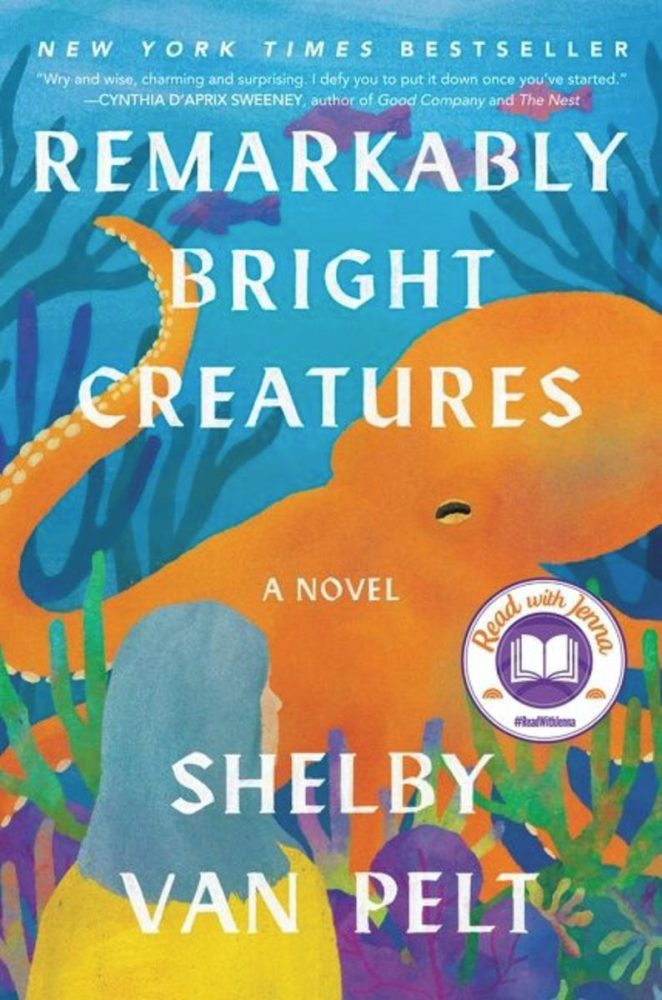
- “Remarkably Bright Creatures” by Shelby Van Pelt
-
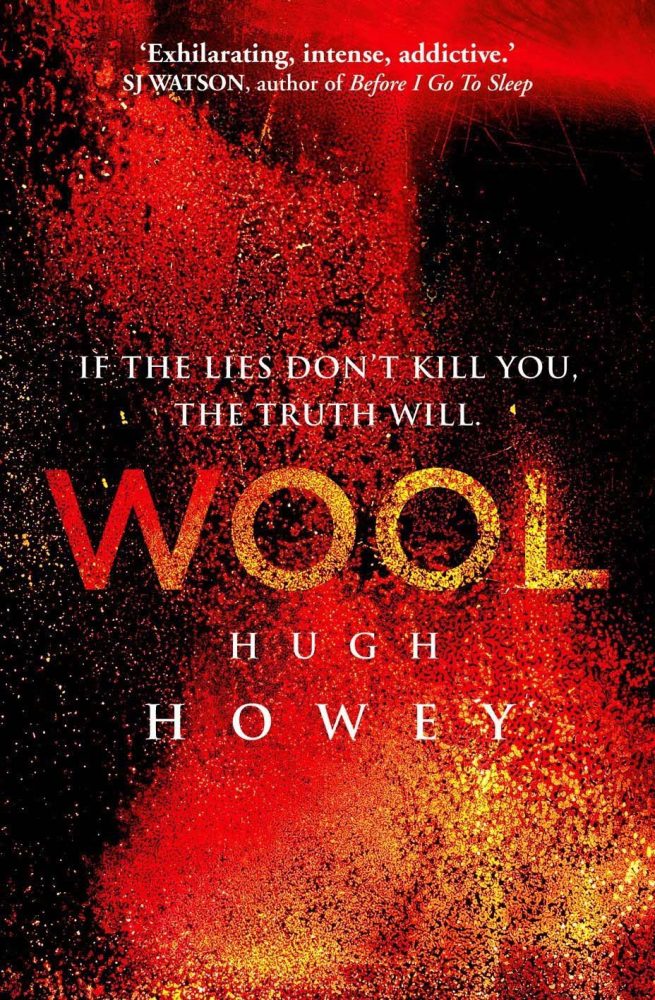
- “Wool” by Hugh Howey
-
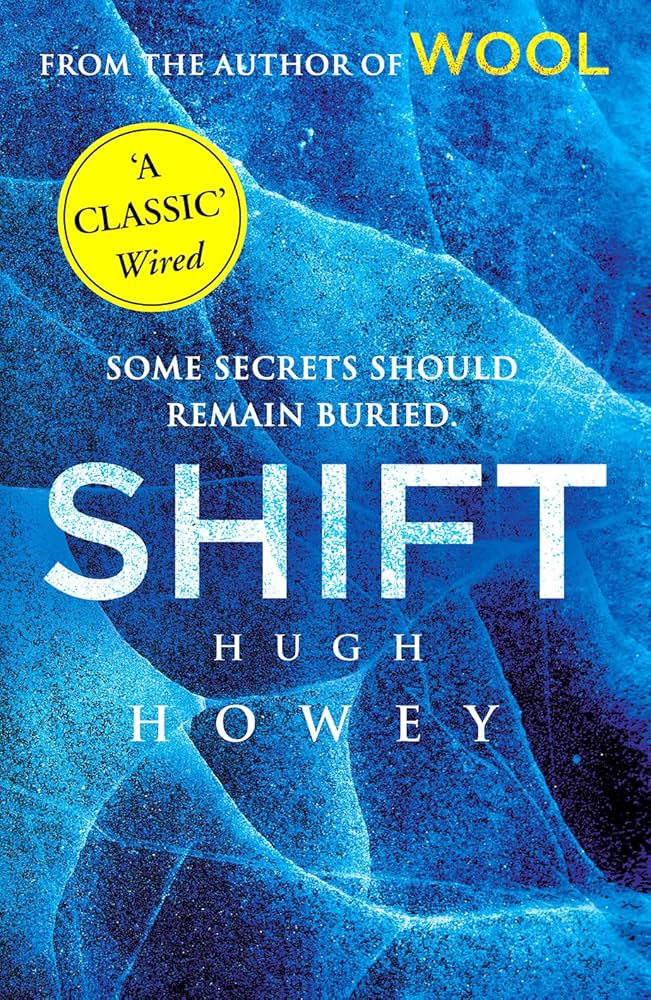
- “Shift” by Hugh Howey
-
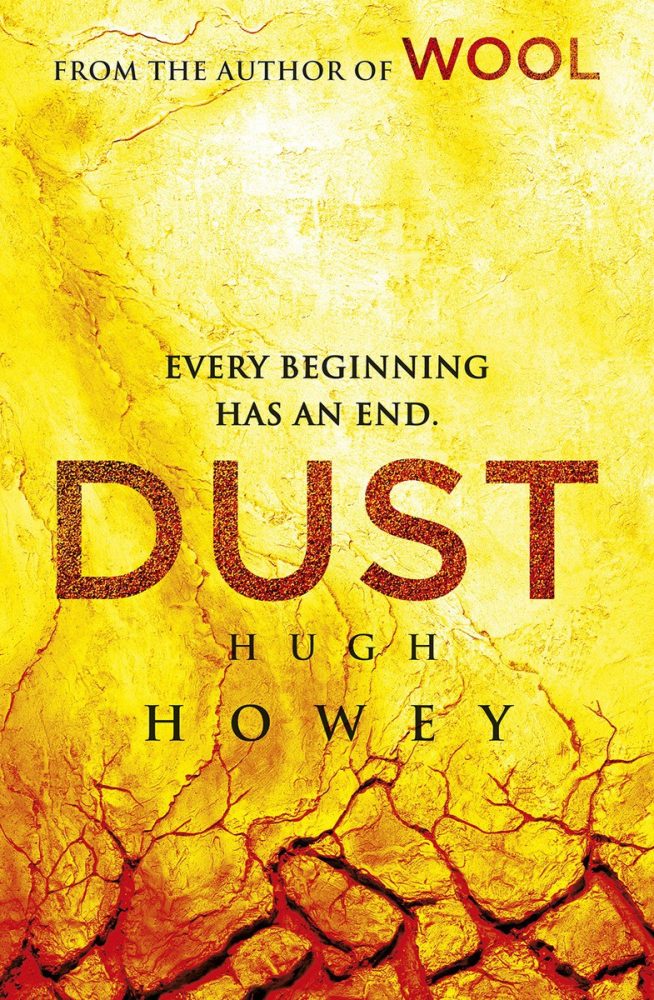
- “Dust” by Hugh Howey
Darrin Rosenthal, Resource Sharing, Minitex
“One Day, Everyone Will Have Always Been Against This” by Omar El Akkad (2025)
The book is a powerful critique of Western/American hypocrisy and the moral failure of liberal institutions and individuals in the face of ongoing atrocities, including the war on terror, the response to Black Lives Matter protests, and particularly, the genocide in Gaza.
Carolyn Bishoff, Science and Math Librarian
“When the English Fall” by David Williams (2017)
A story told through journal entries about an Amish man and his family living through a Carrington Event, a solar storm that knocks out all electricity, everywhere. They are unaffected at first, but the chaos and devastation start to spill into their lives and community.
“The River has Roots” by Amal El-Mohtar (2025)
A lyrical novella about two sisters who tend a willow grove on the edge of Faerie. It’s a true and proper fairy tale — a person turns into a bird, language is magic, and grammar is transformation.
“Automatic Noodle” by Annalee Newitz (2025)
A fun novella about a group of robots who find themselves abandoned by their employer and decide to start a noodle shop. It’s about found family and building a safe space from the rubble. And delicious, hand-pulled noodles.
“The Hands of the Emperor” by Victoria Goddard (2019)
I encountered this book on a Reddit thread about stories with middle-aged heroes. It opens with a suggestion by the main character that the emperor take a holiday, and the slow unfolding of the consequences of that suggestion. It’s a long book, but it gives the characters room to breathe and is a very richly imagined world. I quickly got sucked into the larger universe of books and novellas. I generally avoid series, so that’s saying something.
Kate Dietrick, Archivist, Nathan and Theresa Berman Upper Midwest Jewish Archives
“Still Life” by Sarah Winman (2021)
The narrative of this book surprised me, meandering to places I didn’t imagine with character-driven stories and found family. The writing was beautiful, and the characters were unforgettable, reminding us of the joy to be found in everyday life. I can’t remember the last time I cried because a book was so touching! Highly recommend, especially for anyone who has lived or loved in Florence, Italy.
-

- “One Day, Everyone Will Have Always Been Against This” by Omar El Akkad
-
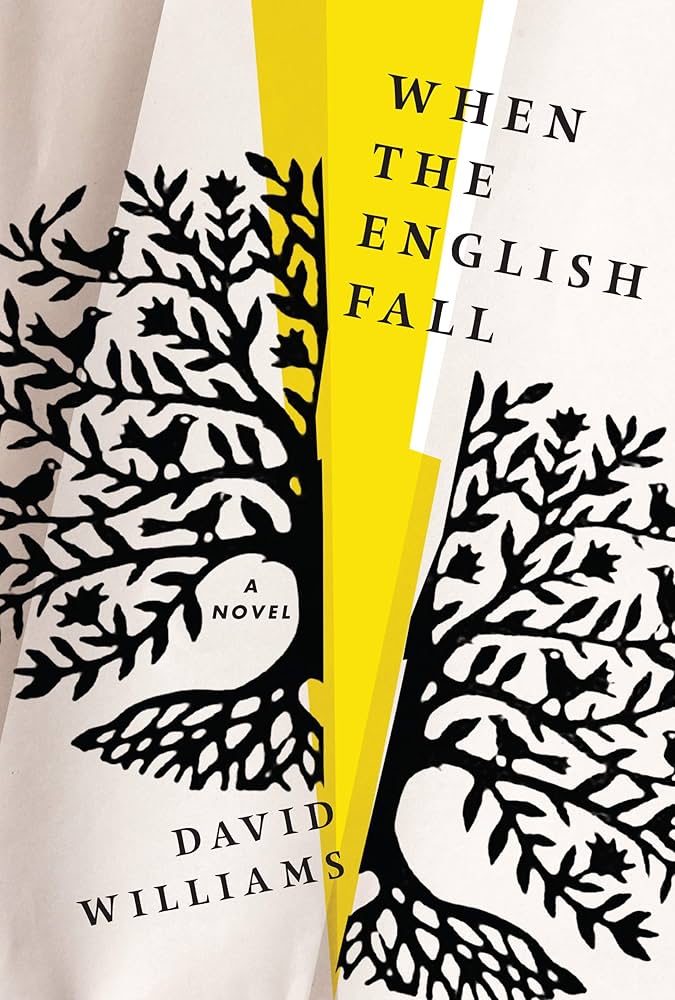
- “When the English Fall” by David Williams
-
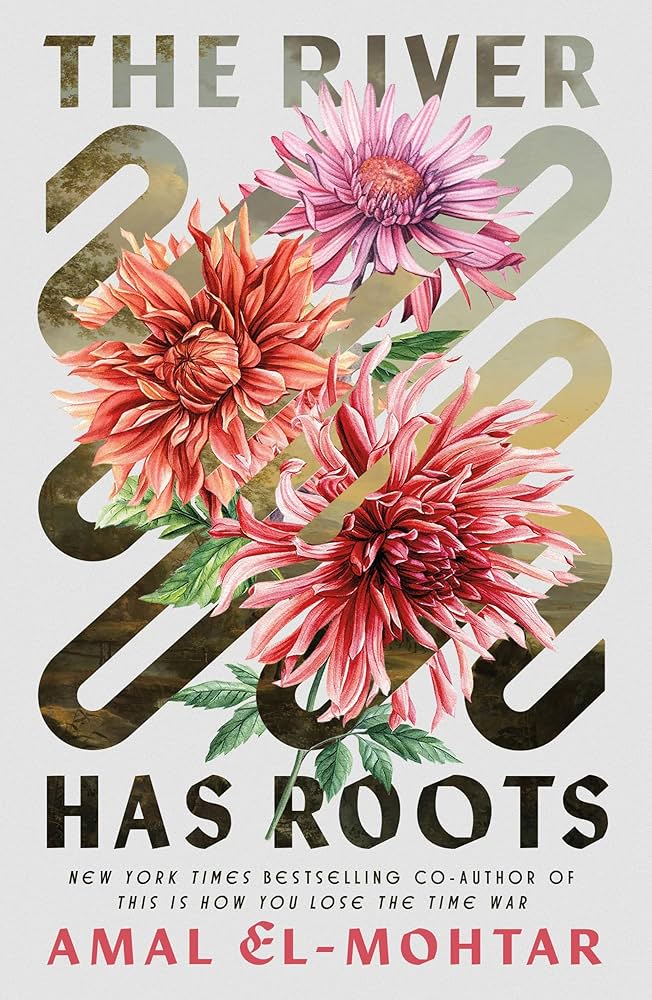
- “The River has Roots” by Amal El-Mohtar
-
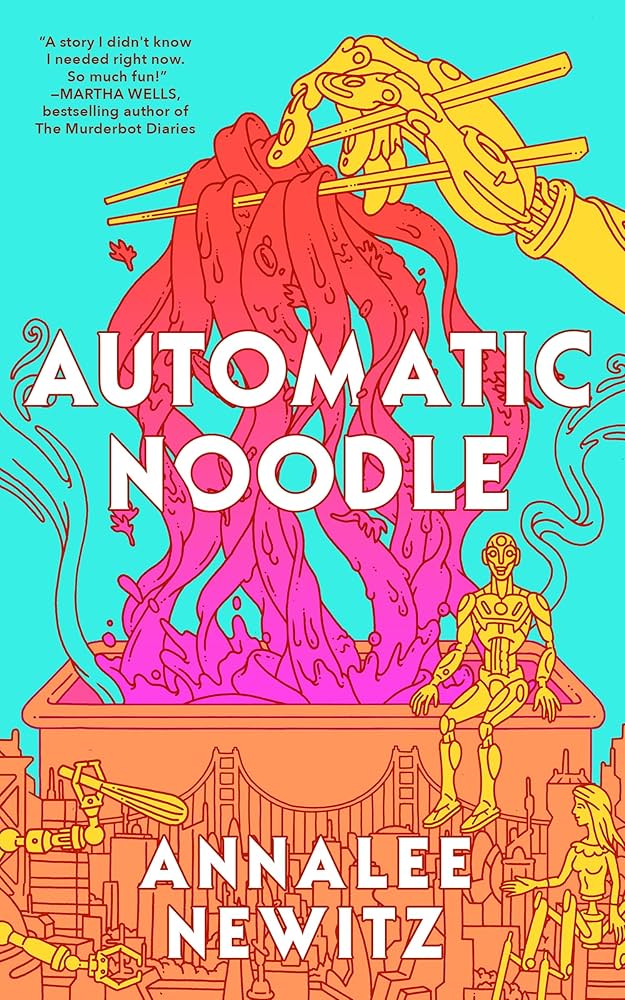
- “Automatic Noodle” by Annalee Newitz
-

- “The Hands of the Emperor” by Victoria Goddard
-
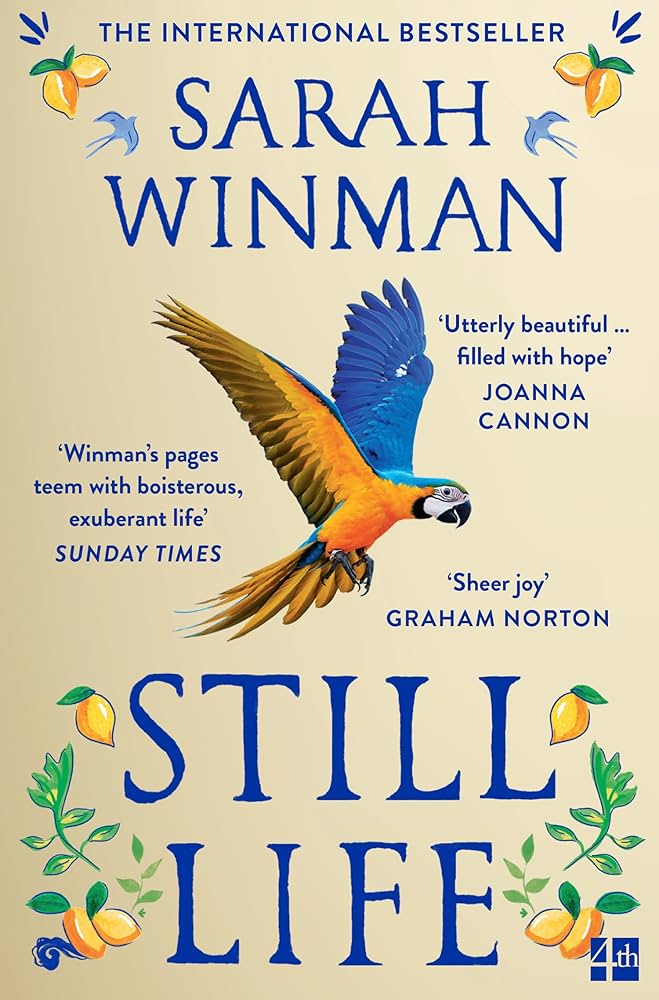
- “Still Life” by Sarah Winman
Justin Boeser, Student Supervisor
“Honoring Your Ancestors: A Guide to Ancestral Veneration” by Mallorie Vaudoise (2019)
It wasn’t focused on a specific culture or religion, had lots of great ideas and advice, and made some points I hadn’t thought of, like how we are each the current representation of our respective ancestry and, one day, will be someone else’s ancestor.
“The Crooked Path: An Introduction to Traditional Witchcraft” by Kelden (2020)
It dove into the history and culture of traditional witchcraft and discussed the importance and history of storytelling and folklore. A deep look that connected traditional practices to some of the stories told throughout various cultures. Plus, Kelden is from Minnesota!
“Way of the Ancient Healer: Sacred Teachings from the Philippine Ancestral Traditions” by Virgil Mayor Apostol (2010)
It gave a firsthand account of ancient healing practices that are pretty hard to find research about! Told a lot of great stories in the process and talked about the way some of these practices have lasted into modernity in certain nooks and corners of the Philippines.
“Circé” by Madeline Miller (2018)
Madeline Miller has this wild way of retelling myths that makes them feel realistic and relatable. I loved “Song of Achilles” so much and was worried that my love for it would taint “Circe,” but it didn’t. This was such a beautiful book!
“House of Beth” by Kerry Cullen (2025)
I am diagnosed with a particular type of OCD that also afflicts the main character of this story, something I’ve never encountered. The way Kerry Cullen incorporates the symptoms into the plot is wildly on point and realistic, unlike a lot of overgeneralized and exaggerated references or allusions to OCD in pop culture and movies. All of that wrapped into a surreal ghost story… so up my alley!
“Lost Gods” by Gerald Brom (2016)
Magical realism, mythology, ghosts, monsters… I was in love. I needed a replacement for Neil Gaiman, my former favorite author, and I think I have found that in Brom.
The Indian Lake Trilogy by Stephen Graham Jones: “My Heart is a Chainsaw” (2021) and “Don’t Fear the Reaper” (2023)
A love letter to horror fans and slasher films, I couldn’t get enough! These are characters that I genuinely miss! There’s a third in the series that is next on my list (“The Angel of Indian Lake,” published in 2024). As a former weird kid, current weird adult, and longtime lover of all things horror, I felt like this was made for me and other people who have ever been obsessed with any cult horror film. If that’s you, you’ll just understand when you read it!
-

- “Honoring Your Ancestors: A Guide to Ancestral Veneration” by Mallorie Vaudoise (
-

- “The Crooked Path: An Introduction to Traditional Witchcraft” by Kelden
-

- “Way of the Ancient Healer: Sacred Teachings from the Philippine Ancestral Traditions” by Virgil Mayor Apostol
-

- “House of Beth” by Kerry Cullen
-

- “Circé” by Madeline Miller
-

- “Lost Gods” by Brom
-

- “Don’t Fear the Reaper” by Stephen Graham Jones
-

- “My Heart is a Chainsaw” by Stephen Graham Jones
Kate McManus, User Experience and Virtual Reference Coordinator
“The River Has Roots” by Amal El-Mohtar (2025)
Short and bittersweet, this story is matter of fact about its magic, but also has a few twists that you hope to see in a fairy tale. It’s an excellent story that left me wanting more!
“Sister, Sinner: The Miraculous Life and Mysterious Disappearance of Aimee Semple McPherson” by Claire Hoffman (2025)
This is one of those stories where truth is stranger than fiction, about a female evangelist’s rise and fall in the early 20th century. I’d never heard of McPherson before, but she’s such a force that’s been forgotten (perhaps for good reason). The evangelical world is not one I like to explore often, but Hoffman is a great guide through that world.
Trish Vaillancourt, Library Assistant II, Minitex
“James” by Percival Everett (2024)
What a gift this book was! A clever idea to tell the story of Huckleberry Finn that we all know from Jim’s perspective. It easily bounces between seriousness, humor, and sadness. It’s also an important reminder, in these times when so many people are considered “other,” that we’re all human.
“Columbine” by Dave Cullen (2009)
Oof. This book was a gut-punch to my soul. Like many, I remember exactly where I was when this shooting occurred. The chapters stuck with me deeply, and I had to put it down many, many times to reflect. Sometimes I would read one 5-page chapter and decide that was enough for the day. I read a lot of true crime and disaster (think Chernobyl) books, so I’m used to horror and sadness, but this account of the lead-up to the massacre and through its aftermath was so thorough and handled with such care, I was left numb. This one will stick with me for a long time.
-
- “The River has Roots” by Amal El-Mohtar
-

- “Sister, Sinner: The Miraculous Life and Mysterious Disappearance of Aimee Semple McPherson” by Claire Hoffman
-
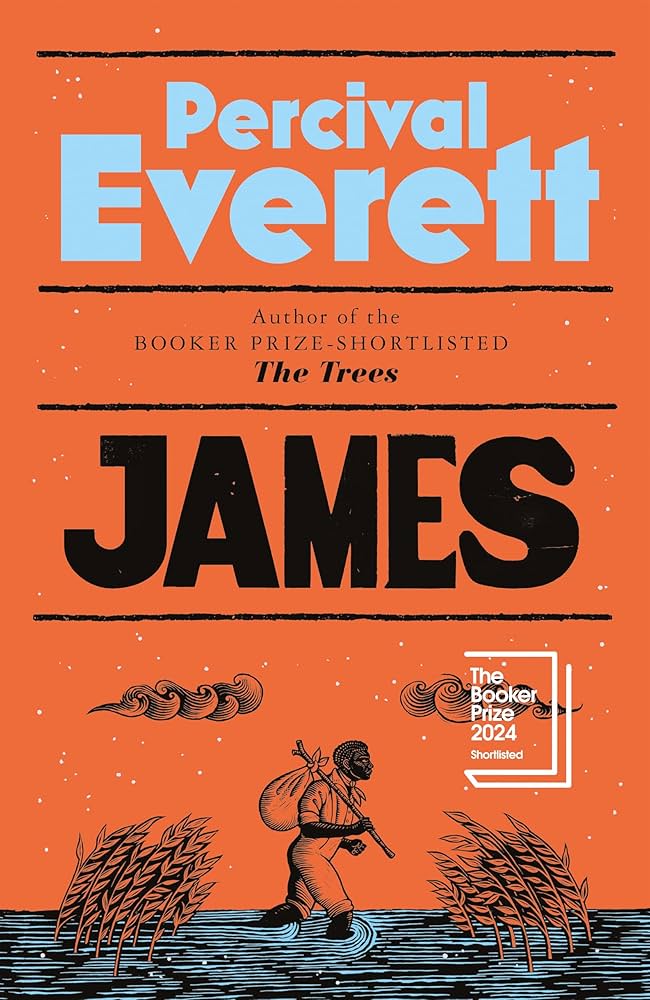
- “James” by Percival Everett
-
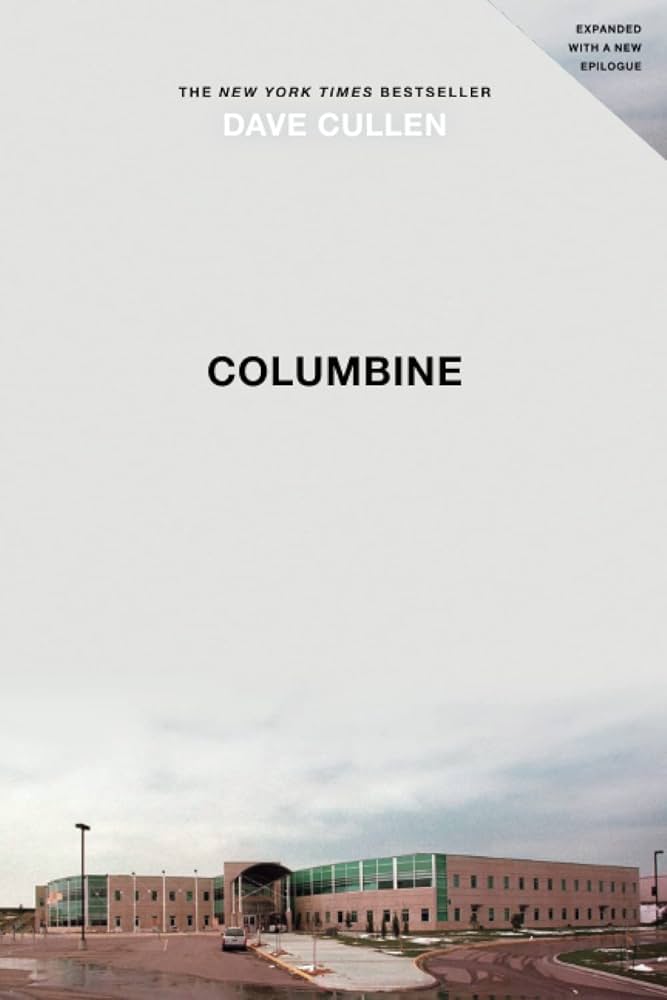
- “Columbine” by Dave Cullen
Ai Miller, Library Assistant, Health Sciences Library
“A Continuous Struggle: The Revolutionary Life” by Garrett Felber (2025)
This beautiful biography about Martin Sostre, a revolutionary Black anarchist, touches so many decades of Black struggle – from an early history of Harlem, to a radical look at the history of Buffalo, New York, to local youth organizing in New Jersey. Felber draws out the continuities of Sostre’s life and explores how he practiced his commitments, and inspired others to do the same. It’s a moving and inspiring life of a man previously only known in a few circles.
Melissa Ernst, Dentistry Librarian
“They Bloom at Night” by Trang Thanh Tran (2025)
This young adult novel explores climate change, horror, and Vietnamese folklore in Louisiana. I don’t generally read a lot of horror and found this to be both approachable and engaging.
“The Waterbearers: A Memoir of Mothers and Daughters” by Sasha Bonét (2025)
This memoir explores black motherhood across three generations of the author’s family. This was one of the most powerful and moving books I read this year.
“The Mires” by Tina Makereti (2024)
“The Mires” explores the lives of three families – one Maori, one settler, and one refugee – as they deal with climate change. I am trying to read more books by Pacific Islanders outside of Asian American, Native Hawaiian, and Pacific Islander Heritage Month in May and am absolutely planning to read more by this author.
“The Feather Thief: Beauty, Obsession, and The Natural History Heist of the Century” by Kirk Wallace Johnson (2018)
Lois Hendrickson, the curator of the Wangensteen Historical Library of Biology and Medicine, recommended this book to me and I could not put it down. I love niche topics and was fascinated at the web of connections the author draws between salmon fly-fishing lures, illegal bird poaching, and the fly-fishing community that surrounds this.
-
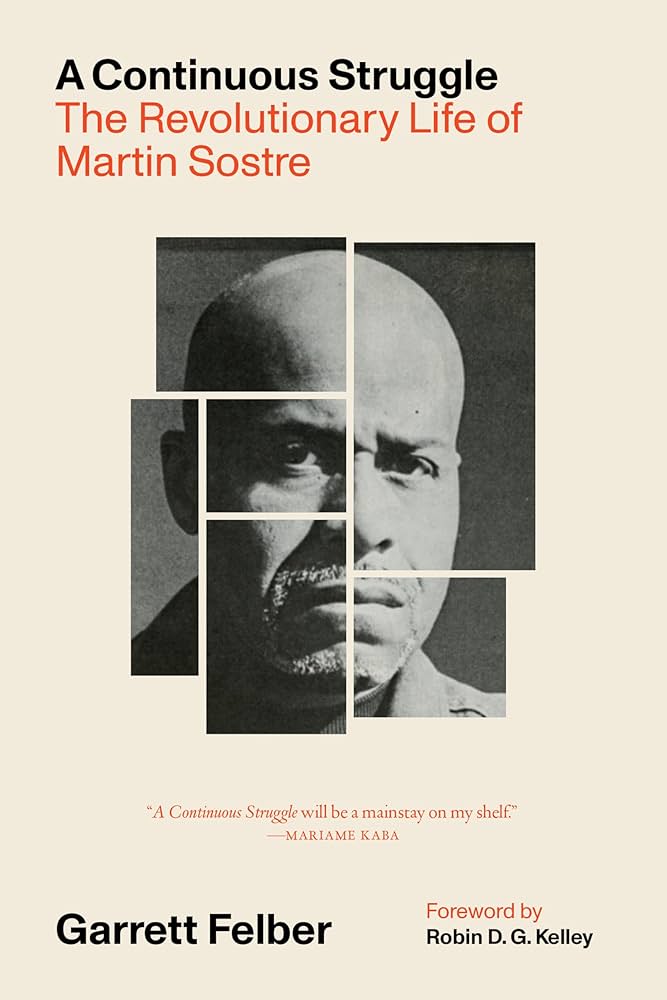
- “A Continuous Struggle: The Revolutionary Life” by Garrett Felber
-

- “They Bloom at Night” by Trang Thanh Tran
-

- “The Waterbearers” by Sasha Bonet
-
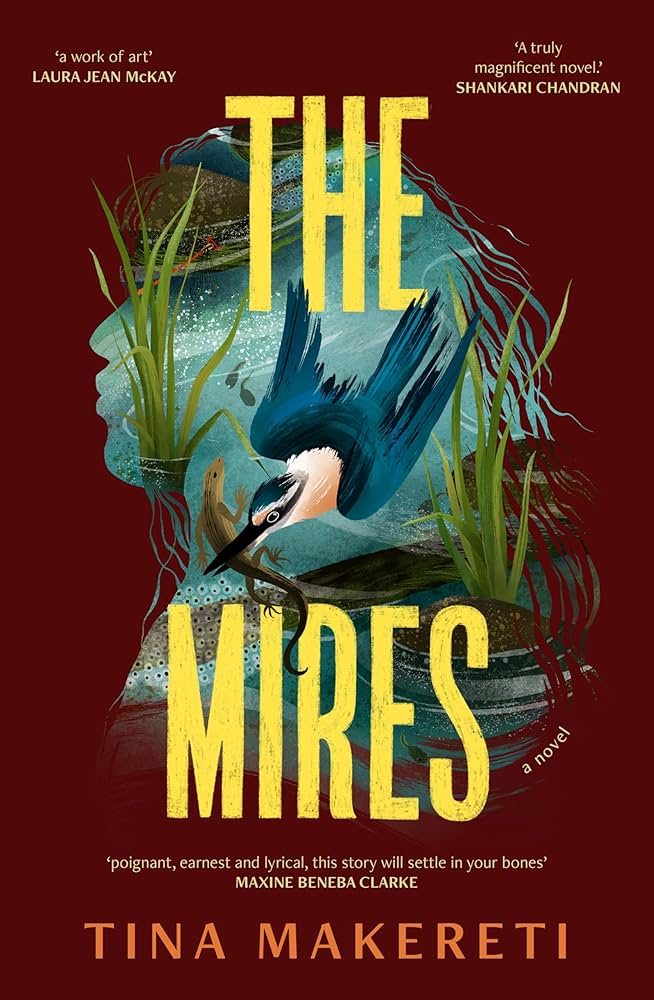
- “The Mires” by Tina Makereti
-

- “The Feather Thief” by Kirk Wallace Johnson
Paloma Barraza, History, Iberian, and Latin American Studies Librarian
“The Quiet Librarian” by Allen Eskens (2025)
Who doesn’t love a book that takes place in Minnesota and is about a librarian? The book slowly unravels the protagonist’s traumatic youth in war-torn Bosnia as she investigates the sudden death of her life-long friend, Amina, who both managed to escape Bosnia in the mid-1990s.
“Magical/Realism: Essays on Music, Memory, Fantasy, and Borders” by Vanessa Angélica Villarreal (2024)
I listened to the audiobook first and then immediately read a physical copy. Villarreal brilliantly blends personal stories with intellectual criticism as she dives into the concept of magical realism and how many Latine scholars are forced into this genre.
“A Love Song for Ricki Wilde” by Tia Williams (2024)
This book gave us romance, art, historical fiction, and magic. The story takes place in Harlem, when the adventurous Ricki rents a Harlem brownstone to open a flower shop. She meets Ezra, who is a brilliant jazz musician and is the embodiment of the Harlem Renaissance.
“A Killing Cold” by Kate Alice Marshall (2025)
I enjoy a mystery-thriller, especially one that includes a wealthy family with a horrific hidden secret.
“Book and Dagger : How Scholars and Librarians Became the Unlikely Spies of World War II” by Elyse Graham (2024)
Who doesn’t enjoy a book that demonstrates the crucial value of the arts and humanities? This is a very interesting book, though the author does speculate at times, I appreciate her theories.
-

- “The Quiet Librarian” by Allen Eskens
-

- “Magical/Realism: Essays on Music, Memory, Fantasy, and Borders” by Vanessa Angélica Villarreal
-

- “A Love Song for Ricki Wilde” by Tia Williams
-
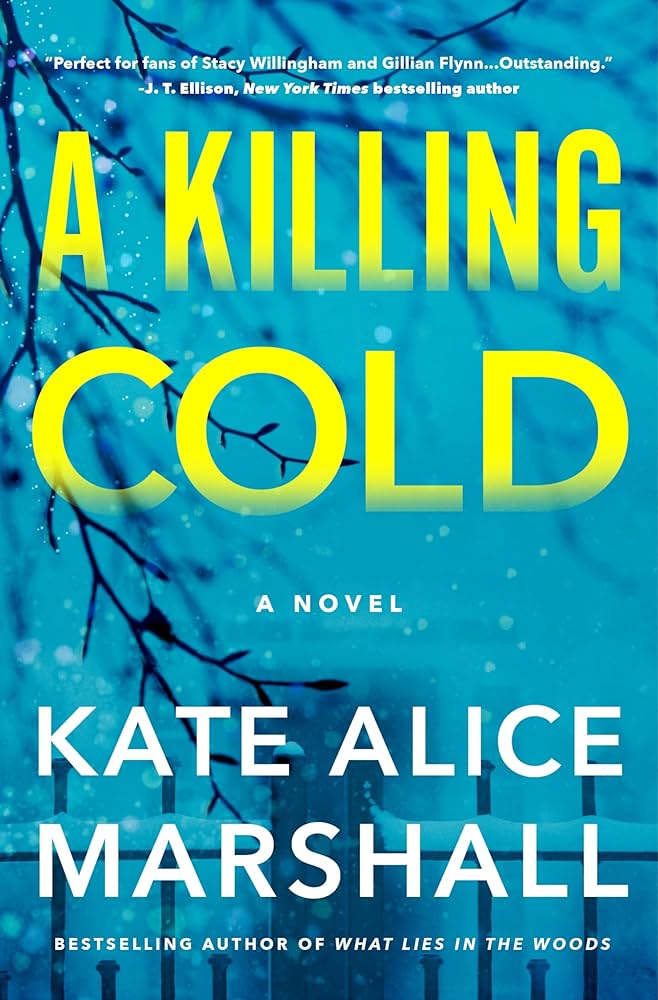
- “A Killing Cold” by Kate Alice Marshall
-

- “Book and Dagger : How Scholars and Librarians Became the Unlikely Spies of World War II” by Elyse Graham
Rebecca Ammerman, Metadata Management and Outreach Librarian
“The Summer Guest’ by Alison Anderson (2016)
It was published in 2016, but somehow only made it onto my radar this year. I lingered over this lovely, transporting book, which is arranged as three narrative threads from the perspectives of three very different women.
The first woman, a literary translator living in France, is asked by the second, a Russian emigré in London trying to salvage a failing publishing house, to translate the diary of the third, a Ukrainian doctor who formed a deep friendship with Anton Chekhov over the course of a summer. The translator becomes captivated by the diary, and by hints that its author may have been entrusted with the keeping of Chekhov’s ‘lost’ novel.
Alee Schmierer, Library Assistant III
“Blood in the Machine: The Origins of the Rebellion Against Big Tech” by Brian Merchant (2023)
This book tells the history of the Luddite revolution, the labor rebellion that struck fear into the hearts of the ruling class in 19th century England and inspired the great Mary Shelley and Lord Byron. Merchant compares the historical struggles to our current day, intertwining similar concerns of working conditions imperiled by mechanization, comparing the struggles of working class England to today’s issues with tech companies and AI.
“Blood in the Machine” shares the stories of British factory workers, who they were, why they suffered, and what they did, and showa that while history may not exactly repeat itself, it sure seems to rhyme. I enjoyed the way Merchant masterfully wove these two seemingly disparate issues together.
Merete Christianson, Medical School Liaison
The Wolf Den Trilogy by Elodie Harper: “The Wolf Den” (2021), “The House with the Golden Door” (2022), and “The Temple of Fortuna” (2023)
One of the strongest trilogies I’ve read in a while! The story follows a woman, Amara, who is enslaved as a prostitute in ancient Pompeii and her journey to not only survive her circumstances but reclaim her own agency. Plus, I love books that can bring ancient cultures to life and these do it so well. Lots of great characters too, including a slightly eccentric Pliny the Elder.
-

- “The Summer Guest” by Alison Anderson
-

- “Blood in the Machine: The Origins of the Rebellion Against Big Tech” by Brian Merchant
-

- “The Wolf Den” by Elodie Harper
-

- “The House with the Golden Door” by Elodie Harper
-

- “The Temple of Fortuna” by Elodie Harper
Gerri Moeller, Associate Director for Resource Sharing and Delivery, Minitex
“The Tainted Cup” (2024) and “A Drop of Corruption” (2025) by Robert Jackson Bennett
I’m not the only fan; “The Tainted Cup” won the 2025 Hugo Award for Best Novel and the 2025 World Fantasy Award (but I think “A Drop of Corruption” is even better). Bennett is an author at the top of his game.
The main character, Dinios Kol, is a Watson-type character, doing the hard detective work for his superior, the Holmes-like Ana Dolabra. The stories are set in a fantastical, fully-realized world. The characters are fully human, and the author does a wonderful job of keeping the complex action moving. I cannot recommend these books enough.
Megan Kocher, Science and Evidence Synthesis Librarian
“Beautyland” by Marie-Helene Bertino (2024)
Unchanged:
“Beautyland” by Marie-Helene Bertino (2024)
It is a beautiful reflection on humanity told by an alien in the body of a girl who communicates with her home planet via fax machine. It’s unlike anything else I’ve read and made me feel such tenderness for both the main character and all of humanity.
Alyssa Gregory, Library Assistant, Andersen Horticultural Library
“Forest Euphoria: The Abounding Queerness of Nature” by Patricia Ononiwu Kaishian (2025)
This thoughtful, contemplative writing about nature captured my own thoughts and feelings about loving the unusual facets of the natural world (fungi, slugs and other creatures) and queerness. I usually check books out from the library but bought this book because it is one I know I will return to again.
-

- “The Tainted Cup” by Robert Jackson Bennett
-

- “A Drop of Corruption” by Robert Jackson Bennett
-

- “Beautyland” by Marie-Helene Bertino
-

- “Forest Euphoria: The Abounding Queerness of Nature” by Patricia Ononiwu Kaishian
Marguerite Ragnow, Curator of the James Ford Bell Library
“Search” by Michelle Huneven (2022)
It is a fictionalized memoir of a food critic/memoirist who gets roped into serving on the search committee for a new pastor of her church. It is hilarious and poignant and insightful by turns. Relatable on multiple levels.
Amy Riegelman, Social Sciences and Evidence Synthesis Librarian
“The Names” by Florence Knapp (2025)
My book club read this book, and I consider it one of my favorites of 2025. The book starts with a new baby and contemplations over what to name the baby. The book then takes the vantage point of three different names and the trajectories that play out with each different name.
Kristen Mastel, Head Librarian and Curator of the Andersen Horticultural Library
“Chasing Wildflowers: An Adventurous Guide to Finding Minnesota’s Native Flowers in their Unique Habitats” by Phyllis Root and Kelly Povo (2025)
It’s a delightful follow-up to their first book, “Searching for Minnesota’s Native Wildflowers: A Guide for Beginners, Botanists, and Everyone in Between” (2018), complete with gorgeous photos to plan your hiking trip for next summer while we are in the dead of winter.
The book highlights smaller, lesser known Significant Natural Areas (SNAs) and parks across the state, along with commentary on their adventures. If only we all had a best friend who would drop everything to track down a single flower in bloom.
-
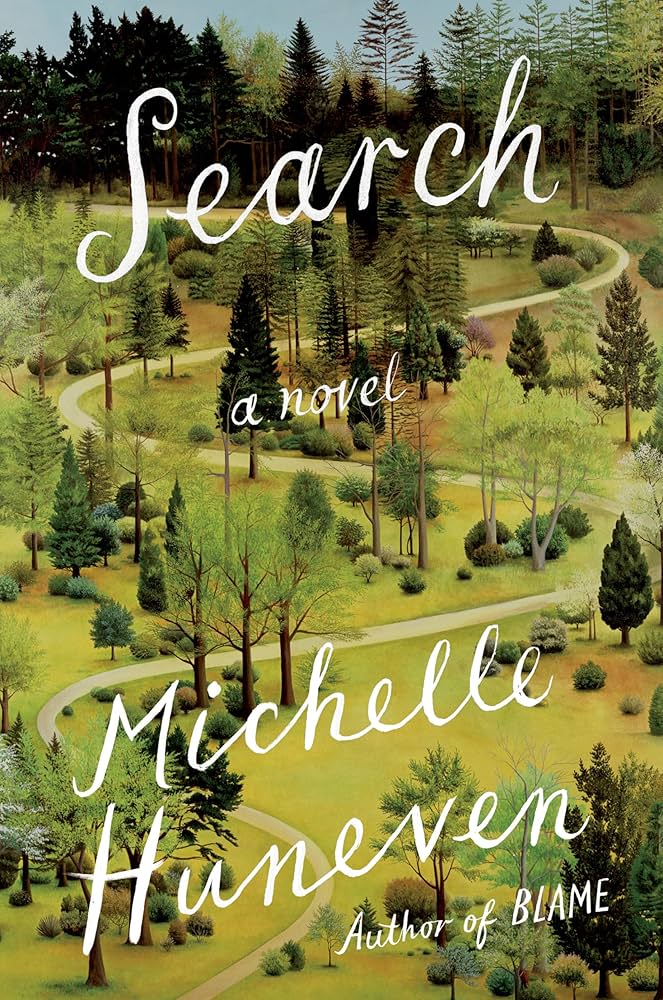
- “Search” by Michelle Huneve
-

- “Chasing Wildflowers: An Adventurous Guide to Finding Minnesota’s Native Flowers in their Unique Habitats” by Phyllis Root and Kelly Povo
-
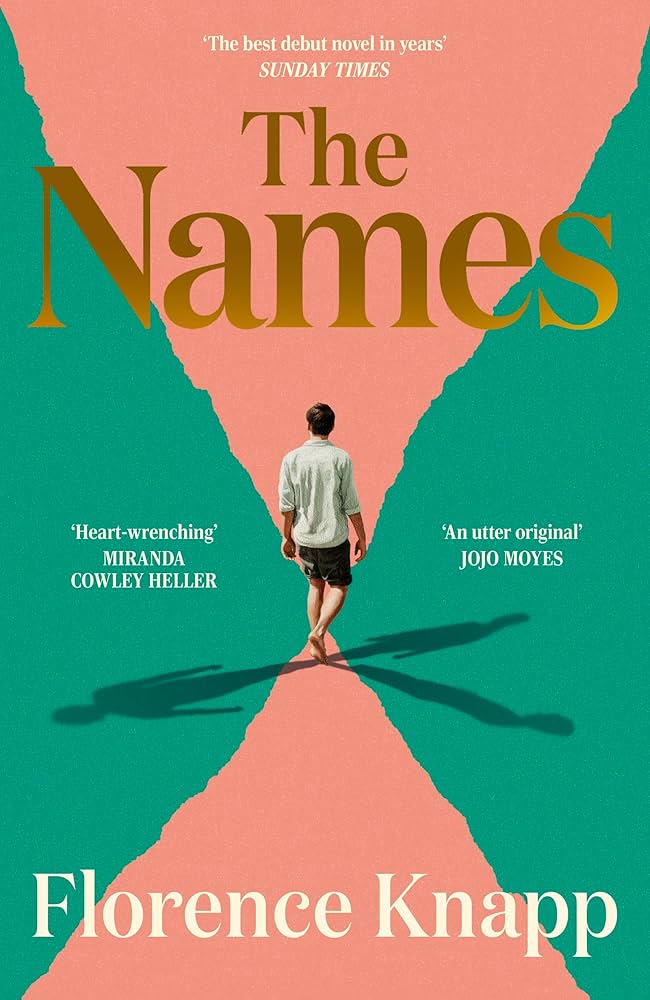
- “The Names” by Florence Knapp
Adria Carpenter, Digital Content Specialist
“Stag Dance” by Torrey Peters (2025)
I’ve been a fan of Peters since her debut novel “Detransition, Baby” (2021). Her follow-up is a collection of three short stories and one novella, each about queerness and transness, though not every main character would necessarily describe themselves that way.
The titular story, “Stag Dance,” follows a lumberjack working on an illegal logging site in the wintry Pacific Northwest. To boost morale, the group decides to hold a dance where some of the loggers can choose to attend as women. It’s occasionally comedic, often dramatic, with elements of cryptid horror. But from start to finish, it made my heart bleed.
I attended and photographed Peters’ tour of this book in Iowa City. We chatted for a bit, and I asked her about the influence of trauma in her stories. She said that I should read…
“Trauma Plot” by Jamie Hood (2025)
This is a fragmented, messy, and disorienting memoir about several sexual assaults Hood survived. I read “Trauma Plot” frantically over the course of a heavy, but cathartic week, though you should read it in small chunks. Even for writers, it’s difficult to name the feelings swimming inside you, to give them shape and form. And yet, Hood managed to capture it exactly.
“Interesting Facts about Space” by Emily Austin (2024)
Austin’s main character, Enid, is also recovering from past trauma, though her coping strategy is memorizing endless facts about space, listening to a lot of true-crime podcasts, and slowly descending into a paranoid spiral. Hey, we’ve all been there.
-
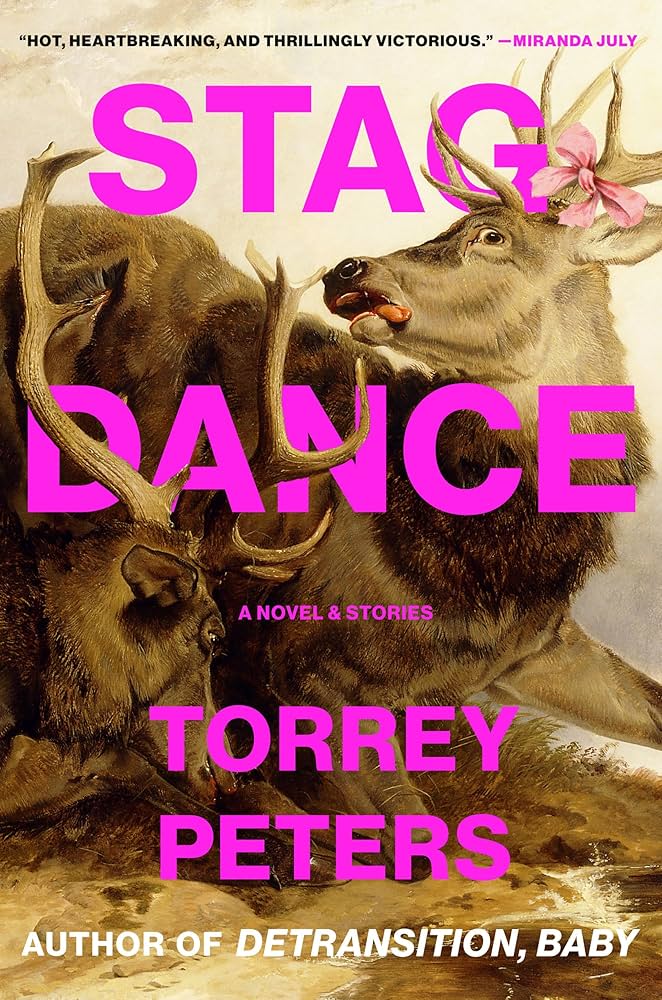
- “Stag Dance” by Torrey Peters
-
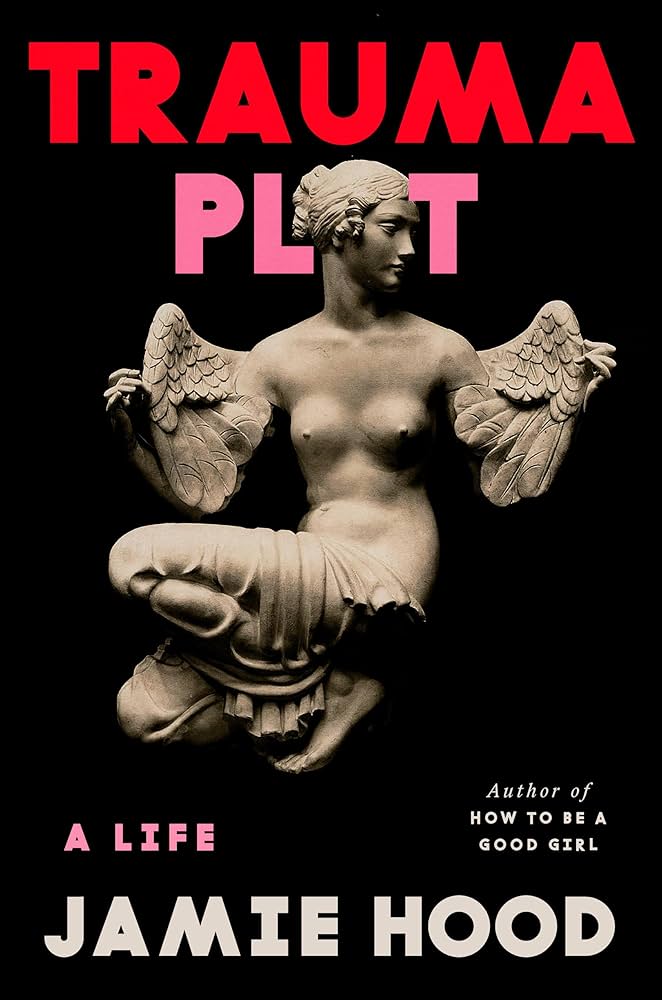
- “Trauma Plot” by Jamie Hood
-

- “Interesting Facts about Space” by Emily Austin
“Wanting. Women Writing About Desire,” edited by Margot Kahn and Kelly McMasters (2023)
I checked this book out specifically for Torrey Peters’ contribution, but it was easy to stick around for the rest. Everybody wants something, but real yearners know that not getting what you want is half the fun.
“Belonging: A German Reckons with History and Home” by Nora Krug (2018)
Krug’s graphic memoir explores the impact of World War II on the national psyche of Germany; the mix of emotions, guilt, and shame she feels while researching her family history; and whether you can divorce the love of your homeland from nationalism, with all its horrific overtones of blood and soil.
“My Lesbian Experience with Loneliness” by Nagata Kabi (2016)
This is one graphic memoir in a collection of seven, spanning her history of coming out, hiring an escort service, dealing with self-harm, recovering from alcoholism and eating disorders, and coping with depression and social anxiety.
It sounds heavy, but she’s a terribly funny author, so it somehow becomes a pleasant read, even when she’s talking about landing in the hospital with pancreatitis after binge-drinking all day. In the spirit of things, I recommend reading it alone at 19 Bar between several whiskey gingers, the way Kabi probably intended.
“Are You My Mother?” by Alison Bechdel (2012)
I first read this book and its predecessor, “Fun Home” (2006), as a junior English major at the University of Georgia. It was a canon moment of recognition and kinship for me; I usually reread them every year. While the former focused on Bechdel’s relationship with her father, this one focuses on her mother.
Bechdel lived in the Twin Cities for years while writing her comic series, “Dykes to Watch Out For,” and it’s interesting to see landmarks like the Uptown Theater appear in her panels. If you happen to have a complicated relationship with your parents, there’s a good chance it’ll make you cry (not speaking from personal experience or anything).
-

- “Wanting. Women Writing About Desire,” edited by Margot Kahn and Kelly McMasters
-

- “Belonging: A German Reckons with History and Home” by Nora Krug
-

- “My Lesbian Experience with Loneliness” by Nagata Kabi
-

- “Are You My Mother?” by Alison Bechdel